

Moving Checklist: Everything You Need Before Moving Day
Moving is a lot to manage — and it's easy to forget something important when you're juggling a hundred tasks at once. Whether you're moving within Vancouver, relocating from Burnaby to Surrey, or making a longer move across the Lower Mainland, this checklist will keep you on track from start to finish.
Bookmark this page and work through it week by week. We've built this checklist based on hundreds of moves completed across Metro Vancouver and the Fraser Valley — these are the steps that actually matter.
6–8 Weeks Before Moving Day
This is the planning phase. The more you do now, the smoother everything else will be. Don't skip this stage — the decisions you make here set the tone for the entire move.
- Set your moving date — confirm with your landlord or real estate agent
- Book your moving company — reputable Vancouver movers fill up fast, especially for end-of-month and summer moves. Book at least 4–6 weeks in advance.
- Give notice to your landlord — most BC tenancies require 1 month's written notice under the BC Residential Tenancy Act
- Start decluttering — go room by room and decide what to keep, donate, sell, or discard. Less stuff = a faster, cheaper move.
- Research your new neighbourhood — schools, transit, grocery stores, parking, healthcare
- Start collecting boxes — ask local stores, check Facebook Marketplace, or order new ones online
- Notify your employer of your new address if needed
- Create a moving binder or folder — keep all your moving documents, quotes, and receipts in one place
Why Booking Early Matters in Vancouver
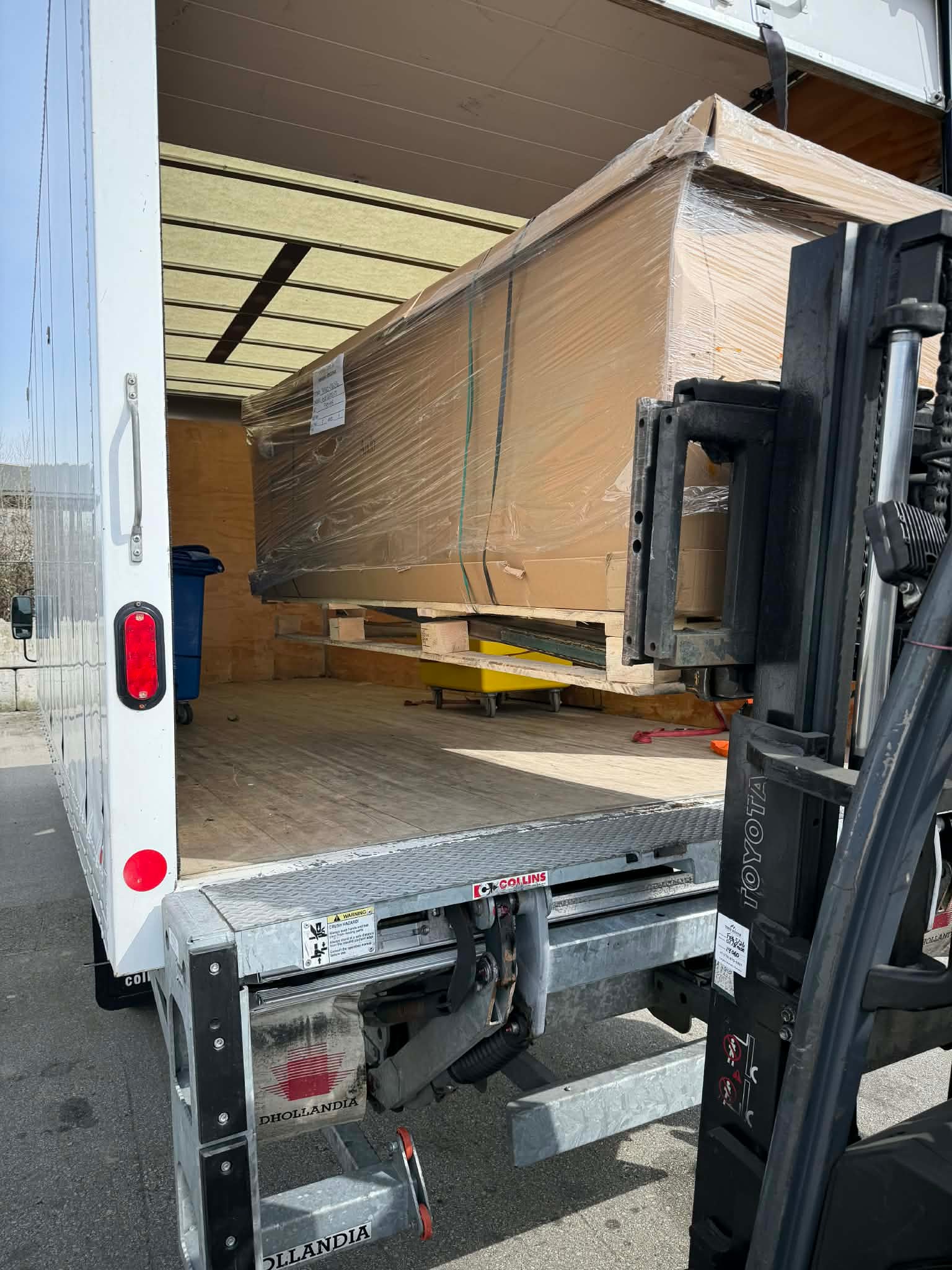
End-of-month moves in Metro Vancouver are extremely competitive. Most BC leases end on the last day of the month, which means thousands of people are all trying to book movers at the same time. If you're moving at month-end — especially in summer — booking 6–8 weeks ahead is not an exaggeration. See our full guide on the best time to move in BC for more on timing your move strategically.
4–5 Weeks Before Moving Day
Now it's time to start the paperwork and begin packing non-essentials. This is also when you should start notifying all the organizations and services that need your new address.
- Set up Canada Post mail forwarding — takes a few days to process; do this early at canadapost.ca
- Notify your bank and credit card providers of your new address
- Update your address with CRA (Canada Revenue Agency) — important for tax refunds and benefits
- Contact ICBC to update your driver's licence and vehicle registration
- Notify your employer's HR/payroll department
- Contact Service BC to update your BC Services Card
- Begin packing non-essential rooms — storage areas, spare bedrooms, seasonal items, books, decorative items
- Label every box with the room and a brief description of contents
- Take photos of electronics before disconnecting — makes setup at the new place much easier
- Arrange childcare or pet care for moving day — having kids and pets out of the way makes the move significantly faster and safer
- Start using up pantry items — frozen food, canned goods, and perishables you don't want to move
Address Change Checklist for BC Residents
The list of organizations that need your new address is longer than most people expect. Here's a comprehensive list:
- Canada Post mail forwarding
- Bank accounts and credit cards
- ICBC (driver's licence and vehicle registration)
- CRA (Canada Revenue Agency)
- Service BC / BC Services Card
- Employer and payroll
- Subscriptions (Amazon, Netflix, meal kits, magazines)
- Doctor, dentist, and other healthcare providers
- Insurance providers (home, auto, life)
- BC Hydro, FortisBC, internet, cable, phone
- Children's schools and daycares
- Gym memberships and clubs
2–3 Weeks Before Moving Day
The bulk of your packing should happen here. By the end of this phase, most of your home should be in boxes — with only the essentials left out for daily use.
- Pack most rooms — leave out only what you need day-to-day
- Confirm your moving company booking — verify date, time, and address with your movers
- Arrange elevator booking if moving from or into a condo or apartment building in Vancouver or Burnaby. Most buildings require 2 weeks' notice minimum.
- Apply for a parking permit if needed for the moving truck — check with the City of Vancouver or your municipality. Apply at least 5–7 business days in advance.
- Transfer or cancel utilities — BC Hydro, FortisBC, internet, cable, phone
- Notify your insurance provider — update home/tenant insurance for your new address
- Update subscriptions — Amazon, Netflix, meal kits, magazines, etc.
- Notify your doctor, dentist, and other healthcare providers
- Arrange for cleaning of your current home (or plan to do it yourself after the move)
- Return library books, borrowed items, and rental equipment
- Dispose of hazardous materials — paint, propane tanks, chemicals, gasoline. Movers cannot transport these.
Packing Tips for Vancouver Homes
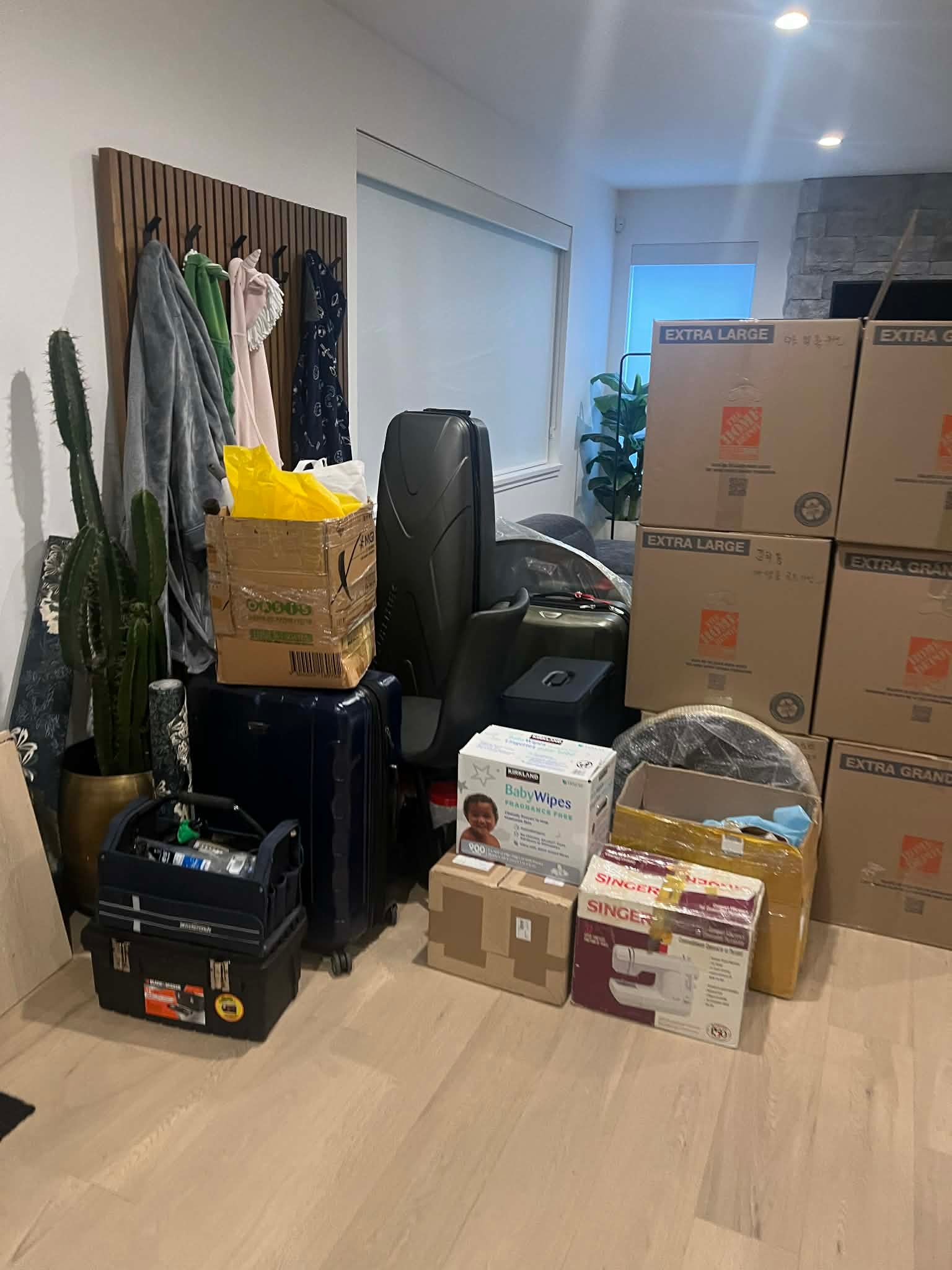
Pack heavy items in small boxes. Books, dishes, and tools should go in small boxes — large boxes packed with heavy items are difficult to carry and can break.
Use wardrobe boxes for hanging clothes. These save enormous time compared to folding and refolding everything.
Wrap fragile items individually. Use packing paper or bubble wrap for dishes, glasses, and decorative items. Never pack fragile items loose.
Label on the top AND side of every box. When boxes are stacked, you can only see the sides — make sure the label is visible from both angles.
1 Week Before Moving Day
The final stretch — tie up loose ends and get everything ready for the big day.
- Finish packing all remaining rooms except essentials
- Pack your "First Night" box — toiletries, medications, chargers, a change of clothes, bedding, snacks, and important documents. This box loads last and comes off first.
- Defrost your fridge and freezer — do this 24–48 hours before the move. A wet fridge is heavier and can damage other items in the truck.
- Drain washing machine hoses if applicable
- Disassemble large furniture — bed frames, desks, bookshelves — and bag all hardware in labelled zip-lock bags taped to the furniture
- Confirm parking and elevator access at both locations
- Charge all devices — phones, tablets, laptops
- Prepare payment for your movers — e-transfer is preferred; have this ready for the end of the job
- Do a final walkthrough of your current home — check every room, closet, cabinet, and storage area
- Confirm your new home is ready — keys available, utilities connected, elevator booked at the new building
What to Pack in Your "First Night" Box
This is one of the most valuable things you can do for yourself. After a long moving day, the last thing you want is to dig through 40 boxes to find your toothbrush. Pack a dedicated box (or bag) with:
- Toiletries and medications
- A change of clothes for each family member
- Phone chargers and power banks
- Snacks and a few basic kitchen items (kettle, mugs, instant coffee)
- Bedding or sleeping bags
- Important documents (lease, ID, insurance papers, moving contract)
- Kids' comfort items and a few toys if applicable
Keep this box in your own vehicle — not on the moving truck — so you have it immediately when you arrive.
Moving Day
The big day. Here's how to make it go as smoothly as possible.
- Be ready when the movers arrive — the clock starts on arrival. Have everything packed and ready to go.
- Walk the movers through your home — point out fragile items, specialty pieces, and anything that needs special care
- Keep your "First Night" box accessible — load it last or keep it in your own vehicle
- Do a final walkthrough before the truck leaves — check every room, the garage, the backyard, and storage areas
- Take photos of your old home after it's empty — protects your damage deposit under BC tenancy law
- Hand over keys to your landlord or new owner
- Direct movers at the new home — tell them which room each box goes in. This saves enormous time during unpacking.
- Check items off your inventory as they come off the truck
Tips for a Smooth Moving Day in Vancouver
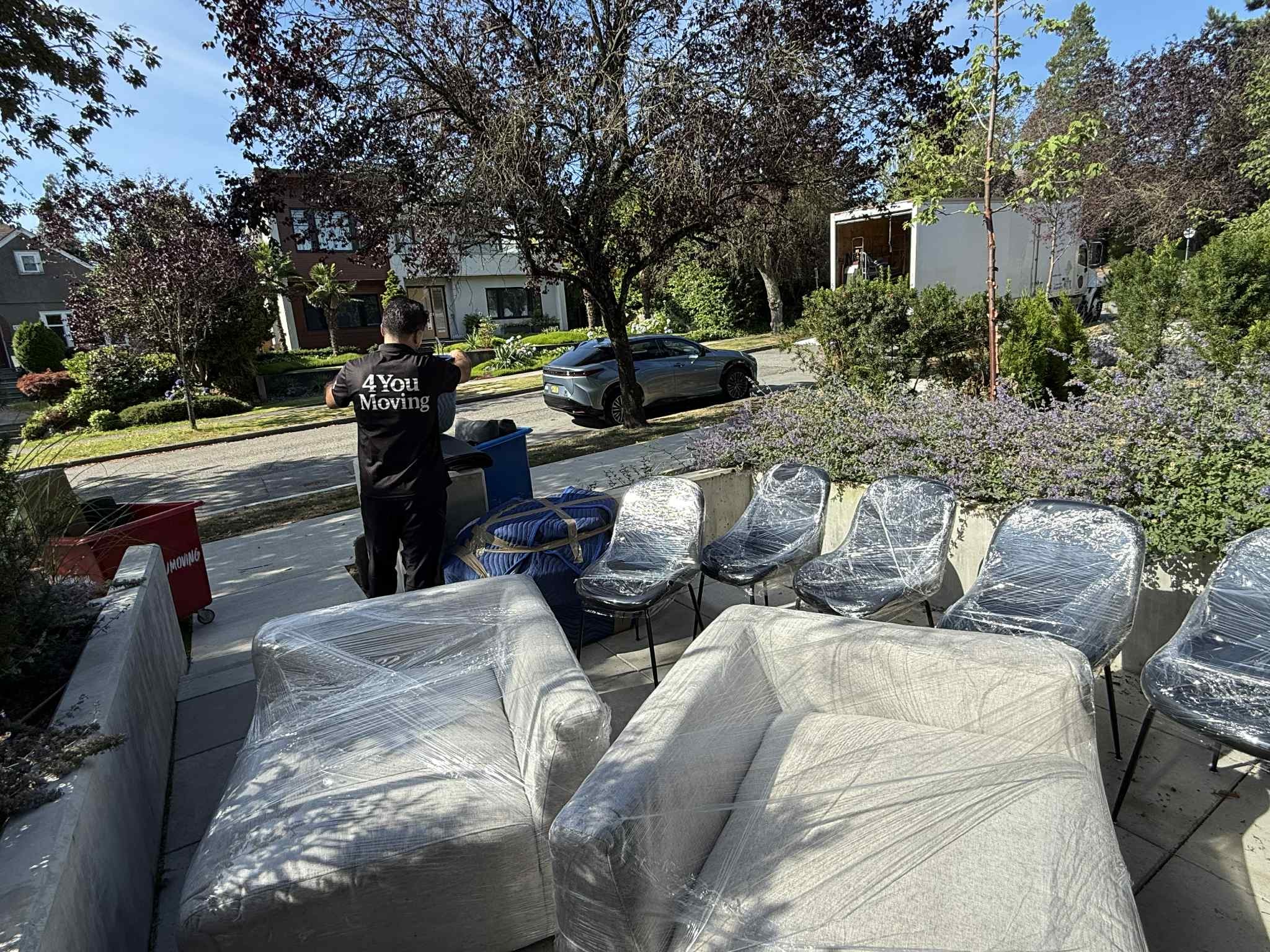
Have coffee and water ready for your crew. It's a small gesture that goes a long way, especially on a hot Vancouver summer day or a cold, rainy November morning.
Keep pets and children out of the way. The safest and most efficient moves happen when the crew can work without navigating around kids and animals.
Be decisive about placement. When your movers ask where something goes, have an answer ready. Indecision slows everything down.
Do a final check of every space. Attic, crawl space, garden shed, storage locker, parking stall — these are the most commonly forgotten areas.
After the Move
You're in! Now settle in properly and tie up the last few loose ends.
- Take photos of your new home before unpacking — document any existing damage before you move anything in
- Check that all utilities are working — hydro, gas, internet, hot water
- Locate your electrical panel, water shutoff, and gas shutoff
- Unpack your "First Night" box first
- Set up beds and essential furniture before anything else — you'll want a proper sleep after moving day
- Update your address with any remaining contacts you missed
- Register your children at their new school if applicable
- Find your nearest grocery store, pharmacy, and transit stop
- Introduce yourself to your neighbours — it goes a long way in Vancouver's tight-knit communities
- Return your damage deposit claim — in BC, landlords have 15 days to return it after you move out
Moving in Vancouver: Things to Know
Elevator bookings: Most condo and apartment buildings in Vancouver, Burnaby, Richmond, and New Westminster require you to book the elevator in advance for moving. Contact your building manager at least 2 weeks ahead. Some buildings have limited windows (weekdays only, or specific hours) — confirm before you book your movers.
Parking permits: If you're moving to or from a street in the City of Vancouver, you may need a temporary no-parking permit for the moving truck. Apply through the City of Vancouver's website at least 5–7 business days in advance. Other Metro Vancouver municipalities have similar processes.
End-of-month moves: The last few days of the month are the busiest time for movers in Metro Vancouver. Book your moving company at least 3–4 weeks in advance if you're moving at month-end. See our full guide on the best time to move in BC.
BC Tenancy Act: If you're a renter, make sure you understand your rights and obligations under the BC Residential Tenancy Act — including proper notice periods, damage deposit rules, and condition inspection requirements. The BC Residential Tenancy Branch website has all the information you need.
Weather: Vancouver's weather is unpredictable, especially in spring and fall. Have tarps or extra plastic wrap on hand to protect furniture and boxes if it rains on moving day. A good moving company will have these — but it doesn't hurt to be prepared.
Ready to Book Your Vancouver Move?
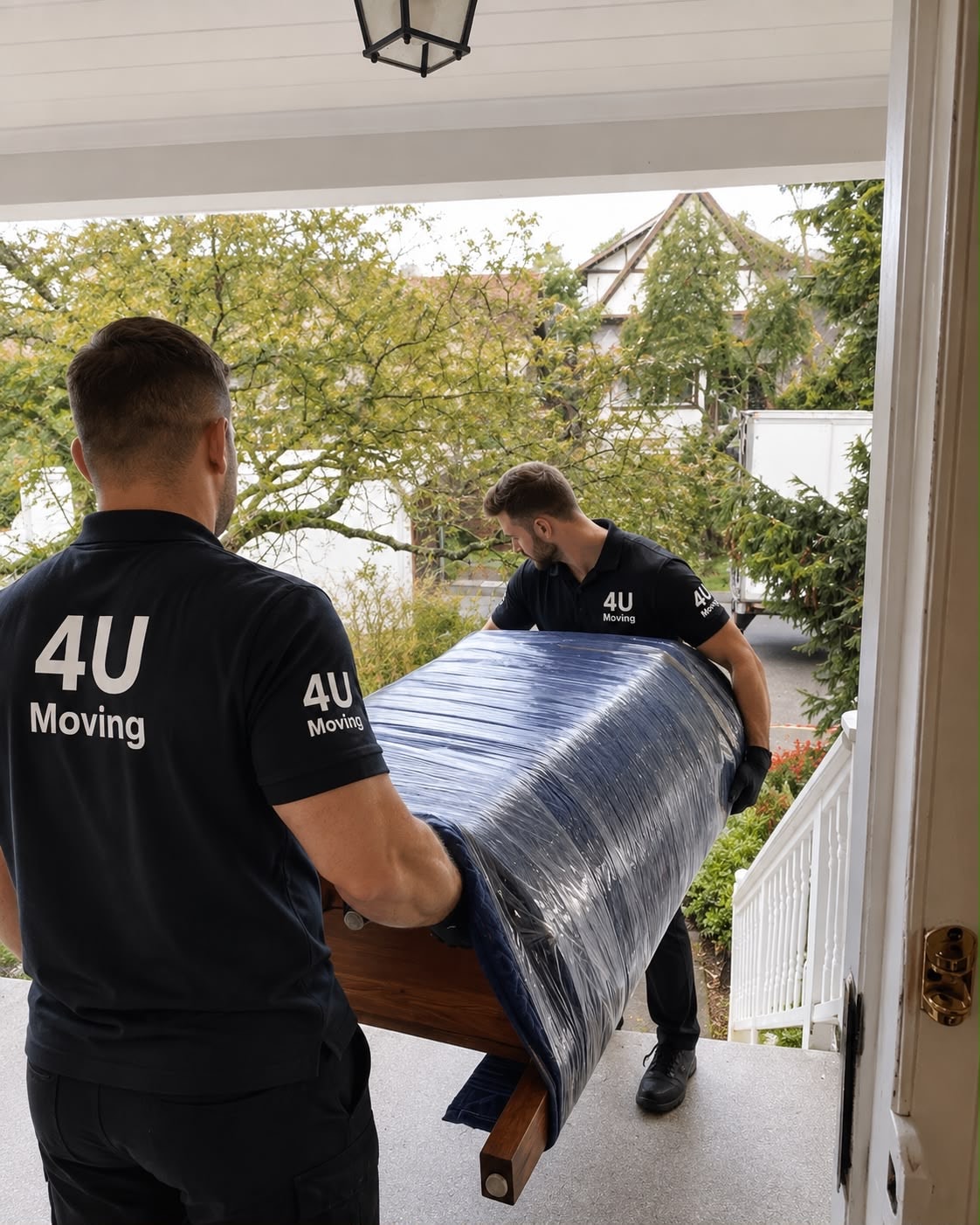
4 You Moving Services Ltd. serves all of Metro Vancouver and the Fraser Valley — including Vancouver, Burnaby, Richmond, Surrey, Coquitlam, Port Moody, Langley, Abbotsford, and more. We're available 7 days a week, fully licensed and insured, with 260+ five-star Google reviews.
Get a free quote today and let us handle the heavy lifting.
More helpful resources:
- How Much Does Moving Cost in Vancouver?
- How To Prepare Your Home For Professional Movers
- Apartment Moving Tips for Vancouver Renters
- Our Residential Moving Services
- Service Areas We Cover
Frequently Asked Questions
What should be on a moving checklist 8 weeks before the move? Eight weeks out: research and book your moving company, start decluttering, notify your landlord or list your home, and begin collecting packing supplies. The earlier you start, the less stressful moving day will be.
What should I do 2 weeks before my move? Two weeks out: confirm your moving company booking, continue packing non-essentials, update your address with Canada Post, notify utilities of your move date, and arrange elevator bookings if moving into a condo.
What should I do the week of my move? The week of: finish packing all rooms except daily essentials, disassemble furniture, confirm your moving company start time, prepare payment, and pack an essentials box for moving day and the first night.
What should I do on moving day? On moving day: do a final walkthrough of your old home, check all closets and storage areas, take meter readings, return keys, and do a walkthrough of the new home before the crew leaves to note any existing damage.
What should I do in the first week after moving? First week: update your driver's licence address, set up utilities, register with your new municipality if applicable, and update your address with your bank, employer, and any subscriptions.
How do I make sure I do not forget anything when moving? Check every room, closet, cabinet, and storage area before leaving. Check the attic, basement, garage, and outdoor storage. Take photos of each room after it is empty as a record.
<script type="application/ld+json"> { "@context": "https://schema.org", "@type": "FAQPage", "mainEntity": [ {"question": "What should be on a moving checklist 8 weeks before the move?", "answer": "Eight weeks out: research and book your moving company, start decluttering, notify your landlord or list your home, and begin collecting packing supplies. The earlier you start, the less stressful moving day will be."}, {"question": "What should I do 2 weeks before my move?", "answer": "Two weeks out: confirm your moving company booking, continue packing non-essentials, update your address with Canada Post, notify utilities of your move date, and arrange elevator bookings if moving into a condo."}, {"question": "What should I do the week of my move?", "answer": "The week of: finish packing all rooms except daily essentials, disassemble furniture, confirm your moving company start time, prepare payment, and pack an essentials box for moving day and the first night."}, {"question": "What should I do on moving day?", "answer": "On moving day: do a final walkthrough of your old home, check all closets and storage areas, take meter readings, return keys, and do a walkthrough of the new home before the crew leaves to note any existing damage."}, {"question": "What should I do in the first week after moving?", "answer": "First week: update your driver's licence address, set up utilities, register with your new municipality if applicable, and update your address with your bank, employer, and any subscriptions."}, {"question": "How do I make sure I do not forget anything when moving?", "answer": "Check every room, closet, cabinet, and storage area before leaving. Check the attic, basement, garage, and outdoor storage. Take photos of each room after it is empty as a record."} ] } </script>