

How To Prepare Your Home For Professional Movers
One of the best things you can do to keep your moving costs down in Vancouver is to be fully prepared before your movers arrive. Since most professional moving companies in Metro Vancouver charge by the hour, every minute of preparation you do in advance translates directly into savings on your final invoice.
A well-prepared home can save you 1–2 hours of billable time — that's $149–$298 in savings at our standard rate. Here's exactly how to get your home ready for moving day.
The Night Before: Do This First
The evening before your move is your most important prep window. If you can get these done, moving day will go dramatically smoother. Don't leave these tasks for the morning — you'll be tired, rushed, and stressed.
Finish All Packing
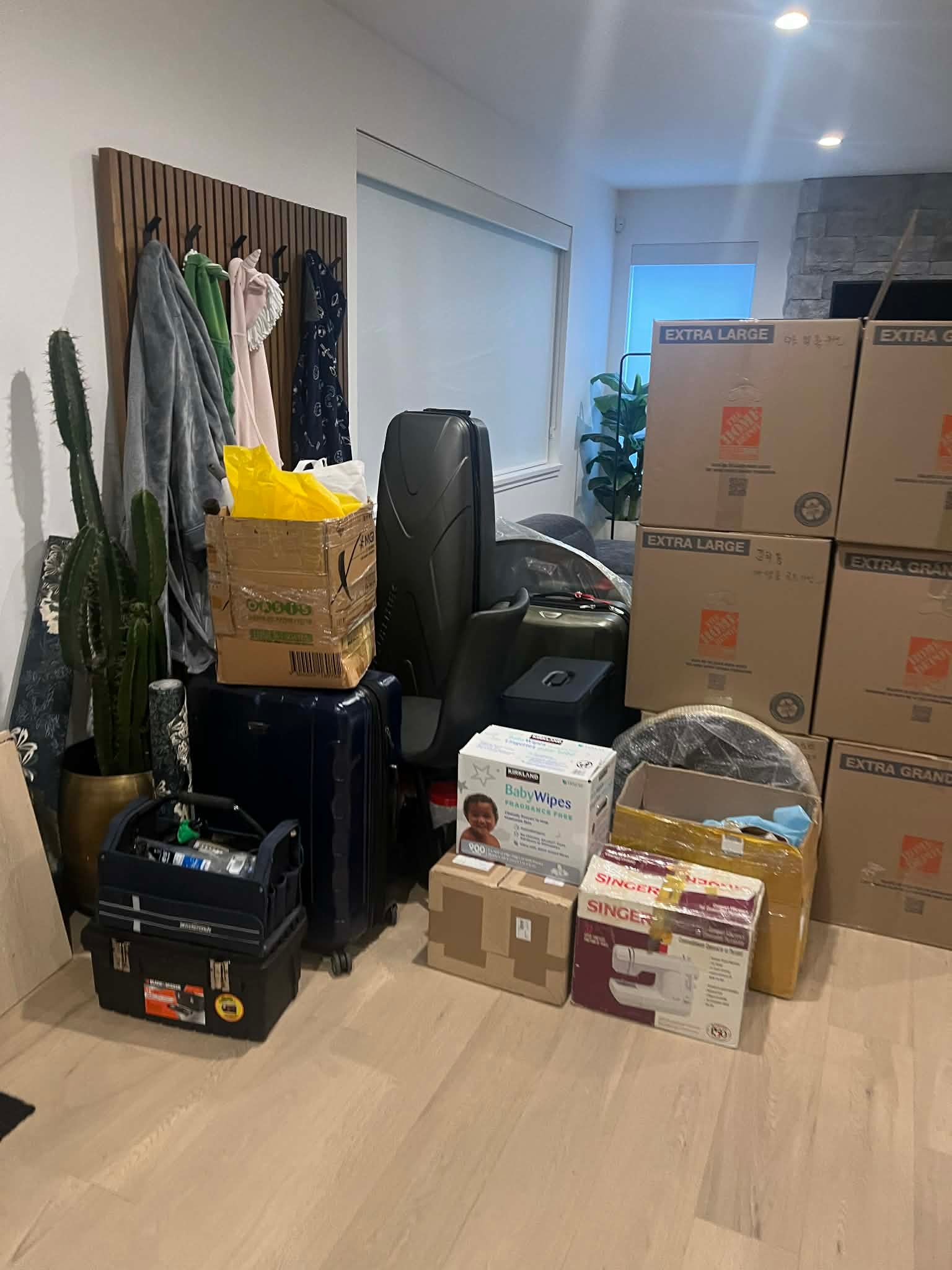
Every item that's going to your new home should be in a sealed, labelled box before the movers arrive. Loose items left in drawers, on shelves, or scattered around rooms slow everything down — and they're more likely to get damaged in transit.
If you're still packing when the movers show up, you're paying them to wait. This is one of the most common and avoidable sources of extra cost on moving day.
What to pack last: Your "First Night" box (toiletries, medications, chargers, a change of clothes, bedding) should be packed last and kept separate — either in your own vehicle or clearly marked to come off the truck first.
Disassemble Large Furniture
Bed frames, bookshelves, desks, dining tables, and other large furniture pieces should be broken down the night before. Keep all screws, bolts, and hardware in labelled zip-lock bags taped to the furniture they belong to.
Our crew can disassemble furniture on the day, but doing it yourself the night before saves 30–60 minutes of billable time. For a full breakdown of what affects your moving cost, see our Vancouver moving cost guide.
Clear Pathways
Walk through your home and clear every hallway, staircase, and doorway of obstacles. Remove rugs that could be a trip hazard. Move small items like lamps, plants, and decorative objects out of the main traffic areas.
The movers need a clear, unobstructed path from every room to the front door — and from the front door to the truck. Tight corners and cluttered hallways slow the move down and increase the risk of damage to your walls and furniture.
Protect Your Floors
Lay down cardboard, old blankets, or floor runners in high-traffic areas — especially hardwood floors, tile entryways, and carpeted hallways. This protects your floors from scratches and scuffs as heavy furniture is moved through.
In Vancouver's older character homes, hardwood floors are often original and irreplaceable. Taking 10 minutes to protect them the night before is well worth it.
Defrost Your Fridge and Freezer
If your fridge is coming with you, it needs to be defrosted and completely dry before the movers load it. Start this process 24–48 hours before your move. A wet fridge can damage other items in the truck, is much heavier to move, and can leave water on your floors.
Use towels to absorb the water as it melts, and leave the doors open overnight to ensure it's fully dry by morning.
Morning of the Move: Final Preparations
Be Ready When the Movers Arrive
This sounds simple, but it makes a real difference. When your movers show up at the agreed time, they should be able to start immediately. Have your coffee made, your kids or pets sorted, and your home ready to go.
At 4 You Moving Services Ltd., our crews arrive on time and ready to work — we ask the same of our customers. The clock starts when we arrive, so being ready from the first minute is the single most effective way to keep your bill down.
Do a Final Walkthrough
Before the movers start, walk through every room with them. Point out:
- Fragile or high-value items that need extra care — antiques, artwork, large TVs, electronics
- Specialty pieces that require special handling — pianos, pool tables, safes, oversized appliances
- Items that are NOT moving — clearly separate anything staying behind, being donated, or being picked up separately
- Tight corners or tricky areas — low ceilings, narrow stairwells, awkward doorways, tight elevator dimensions
The more context you give your movers upfront, the better they can plan the job and bring the right equipment.
Separate Items That Aren't Moving
Clearly mark or move to a separate area anything that's staying behind — items for donation, things being picked up by someone else, or belongings that belong to a roommate. Put these in a room that won't be touched, or clearly label them with "DO NOT MOVE" signs.
Nothing is more frustrating (or costly) than having to unload items that shouldn't have been loaded. It happens more often than you'd think.
Have Your Parking Sorted
Make sure there's a clear space for the moving truck as close to your front door as possible. In Vancouver, Burnaby, and other Metro Vancouver cities, this sometimes means applying for a temporary no-parking permit from the city in advance.
If you're in a condo or apartment building, confirm your elevator booking and let the building manager know the movers are coming. Most buildings in Vancouver, Burnaby, and Richmond require advance elevator bookings for moves — see our apartment moving tips for a full guide to condo moves.
What to Have Ready for the Movers
When the crew arrives, have these things accessible:
- Your "First Night" box — set it aside so it loads last and comes off first
- Appliance manuals if you want them packed
- Keys and access codes for both your current and new home
- Payment method — we accept e-transfer (preferred) and credit card (3% processing fee). Have this ready for the end of the job.
- A bottle of water for the crew — it's a small gesture that goes a long way on a hot Vancouver summer day or a cold, rainy fall morning
Room-by-Room Preparation Guide
Kitchen
The kitchen is usually the most time-consuming room to pack. Make sure:
- All dishes, glasses, and cookware are wrapped individually and boxed
- Pantry items are packed (or donated/discarded — don't move expired food)
- Appliances are unplugged and clean
- The fridge is defrosted and completely dry
- Drawers are emptied — movers can move furniture with empty drawers, but full drawers add weight and risk items shifting
Tip: Pack your kitchen last and unpack it first. Having a functional kitchen in your new home makes the first few days much more manageable.
Bedrooms
- Beds are disassembled (or flagged for the movers to do)
- Clothing is packed in boxes or wardrobe boxes — not loose in garbage bags
- Mirrors and artwork are wrapped in packing paper or bubble wrap and standing upright
- Nightstands and dressers are emptied
Living Room
- Electronics are disconnected and packed (take a photo of the cable setup first)
- Shelves are cleared and all items boxed
- Fragile items are individually wrapped
- Large furniture is flagged if it needs special handling
Garage and Storage Areas
These are often the most overlooked areas — and the most likely to cause delays on moving day. Go through your garage, storage locker, and outdoor areas carefully. Dispose of:
- Hazardous materials — paint, propane tanks, chemicals, gasoline, pesticides. Movers cannot transport these for safety and insurance reasons.
- Items you no longer need — moving is the perfect time to clear out the garage
Bathrooms
Pack all toiletries, medications, and personal items. Leave out only what you need for the morning of the move, then pack those last. Don't forget:
- Medicine cabinet contents
- Towels and bath mats
- Cleaning supplies (check if these are hazardous before packing)
What Movers Cannot Transport
For safety and insurance reasons, professional movers in Vancouver cannot transport:
- Propane tanks and compressed gas cylinders
- Gasoline, paint, and flammable liquids
- Pesticides and chemicals
- Firearms and ammunition (without special arrangements)
- Perishable food items
- Pets and plants (in most cases)
Dispose of or arrange separate transport for these items before moving day. If you're unsure whether an item is restricted, ask your moving company when you book.
Protecting Your Belongings During the Move
Furniture Protection
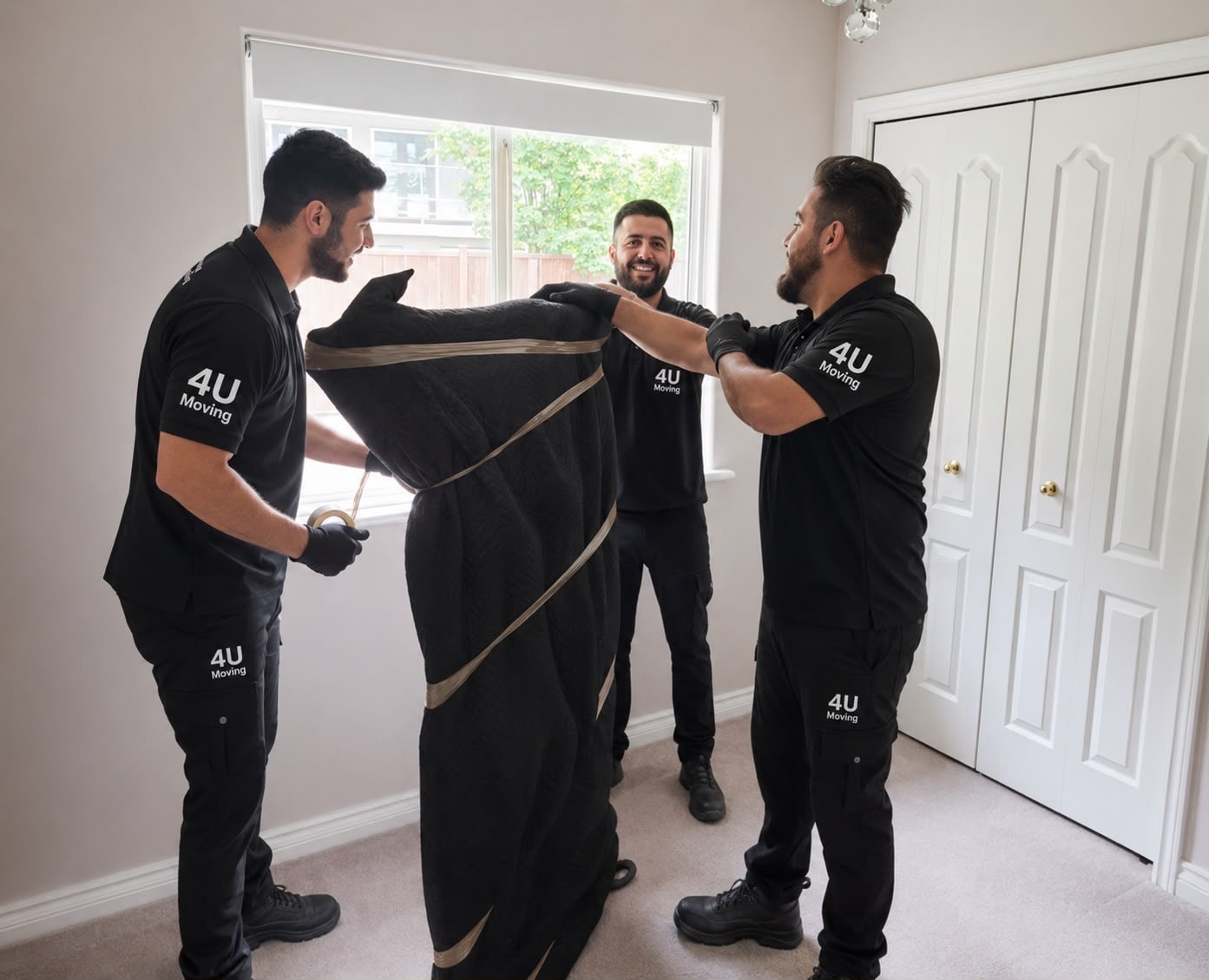
Our crew wraps all furniture in professional moving blankets and shrink wrap before loading. But there are things you can do to help:
- Remove legs from tables and sofas where possible
- Wrap glass tabletops separately in packing paper
- Secure cabinet doors with tape or rubber bands so they don't swing open
Electronics
- Remove batteries from remote controls and small electronics
- Back up your computer before the move
- Transport laptops, tablets, and cameras in your own vehicle if possible
- Keep TVs in their original boxes if you have them — or ask your movers about TV boxes
Artwork and Mirrors
- Wrap in packing paper, then bubble wrap
- Stand upright — never lay flat
- Mark clearly as "FRAGILE" and "THIS SIDE UP"
After the Movers Leave Your Old Home
Before you hand over the keys:
- Do a final walkthrough of every room, closet, cabinet, and storage area
- Check the garage, backyard, and any outdoor storage
- Take photos of the empty home — this protects your damage deposit under BC tenancy law
- Return all keys, fobs, and parking passes to your landlord or building manager
Under the BC Residential Tenancy Act, your landlord has 15 days to return your damage deposit after you move out. Having photographic evidence of the home's condition when you left is your best protection if there's a dispute.
Moving in Metro Vancouver: Local Tips
Condo and apartment buildings: Book your elevator at least 2 weeks in advance. Many buildings in Vancouver, Burnaby, and Richmond have limited elevator booking windows and strict move-in/move-out hours. Some buildings also require a refundable damage deposit for the elevator and common areas.
Parking permits: The City of Vancouver and other municipalities offer temporary no-parking permits for moving trucks. Apply online at least a week before your move. Without a permit, your movers may have to park further away — adding time and cost to the job.
Weather: Vancouver's weather is unpredictable — especially in spring and fall. Have tarps or extra plastic wrap on hand to protect furniture and boxes if it rains on moving day. Our crew always comes prepared, but having extra protection available is never a bad idea.
Building rules: Every strata building has its own rules about moving hours, elevator padding, and common area protection. Check with your building manager before moving day to avoid any surprises.
Let 4 You Moving Handle the Rest
Once your home is prepared, our professional moving crew takes care of everything else. We serve all of Metro Vancouver and the Fraser Valley — Vancouver, Burnaby, North Vancouver, West Vancouver, Richmond, Surrey, Delta, Langley, Abbotsford, Chilliwack, and more.
We're licensed, insured, available 7 days a week, and backed by 260+ five-star Google reviews. Get your free quote today.
More helpful resources:
- Cities We Serve in Metro Vancouver
- Moving Checklist: Everything You Need Before Moving Day
- 10 Moving Tips to Make Your Move Stress-Free
- Apartment Moving Tips for Vancouver Renters
- Our Residential Moving Services
- Insurance Coverage
Frequently Asked Questions
How much does moving cost in Metro Vancouver? Moving in Metro Vancouver with 4 You Moving costs $149/hr for 2 movers and a 3-ton truck, or $169/hr with a 5-ton truck. There is a 2-hour minimum plus travel time. Most local moves cost $450–$1,200 depending on home size.
How far in advance should I book movers in Metro Vancouver? For summer and month-end moves, book 4–8 weeks ahead. For off-peak moves (weekdays, mid-month, October–April), 2–3 weeks is usually sufficient.
What should I do to prepare for movers in Vancouver? Have everything packed and labelled before the crew arrives. Disassemble furniture that needs to be moved in pieces. Clear pathways through the home. Confirm elevator booking if moving into a condo.
Does 4 You Moving serve all of Metro Vancouver? Yes — 4 You Moving serves all of Metro Vancouver 7 days a week, including Vancouver, Burnaby, Richmond, Surrey, Coquitlam, North Vancouver, and surrounding areas.
What is included in the hourly moving rate? The hourly rate covers the crew and the truck. Moving blankets are always free. Packing materials (shrink wrap) are extra. There is no fuel surcharge.
How do I get a moving quote from 4 You Moving? Visit 4youmoving.com to get a free quote, or call 778-200-8825. Describe your home size, access conditions, any specialty items, and the distance between properties for the most accurate estimate.
<script type="application/ld+json"> { "@context": "https://schema.org", "@type": "FAQPage", "mainEntity": [ {"question": "How much does moving cost in Metro Vancouver?", "answer": "Moving in Metro Vancouver with 4 You Moving costs $149/hr for 2 movers and a 3-ton truck, or $169/hr with a 5-ton truck. There is a 2-hour minimum plus travel time. Most local moves cost $450–$1,200 depending on home size."}, {"question": "How far in advance should I book movers in Metro Vancouver?", "answer": "For summer and month-end moves, book 4–8 weeks ahead. For off-peak moves (weekdays, mid-month, October–April), 2–3 weeks is usually sufficient."}, {"question": "What should I do to prepare for movers in Vancouver?", "answer": "Have everything packed and labelled before the crew arrives. Disassemble furniture that needs to be moved in pieces. Clear pathways through the home. Confirm elevator booking if moving into a condo."}, {"question": "Does 4 You Moving serve all of Metro Vancouver?", "answer": "Yes — 4 You Moving serves all of Metro Vancouver 7 days a week, including Vancouver, Burnaby, Richmond, Surrey, Coquitlam, North Vancouver, and surrounding areas."}, {"question": "What is included in the hourly moving rate?", "answer": "The hourly rate covers the crew and the truck. Moving blankets are always free. Packing materials (shrink wrap) are extra. There is no fuel surcharge."}, {"question": "How do I get a moving quote from 4 You Moving?", "answer": "Visit 4youmoving.com to get a free quote, or call 778-200-8825. Describe your home size, access conditions, any specialty items, and the distance between properties for the most accurate estimate."} ] } </script>